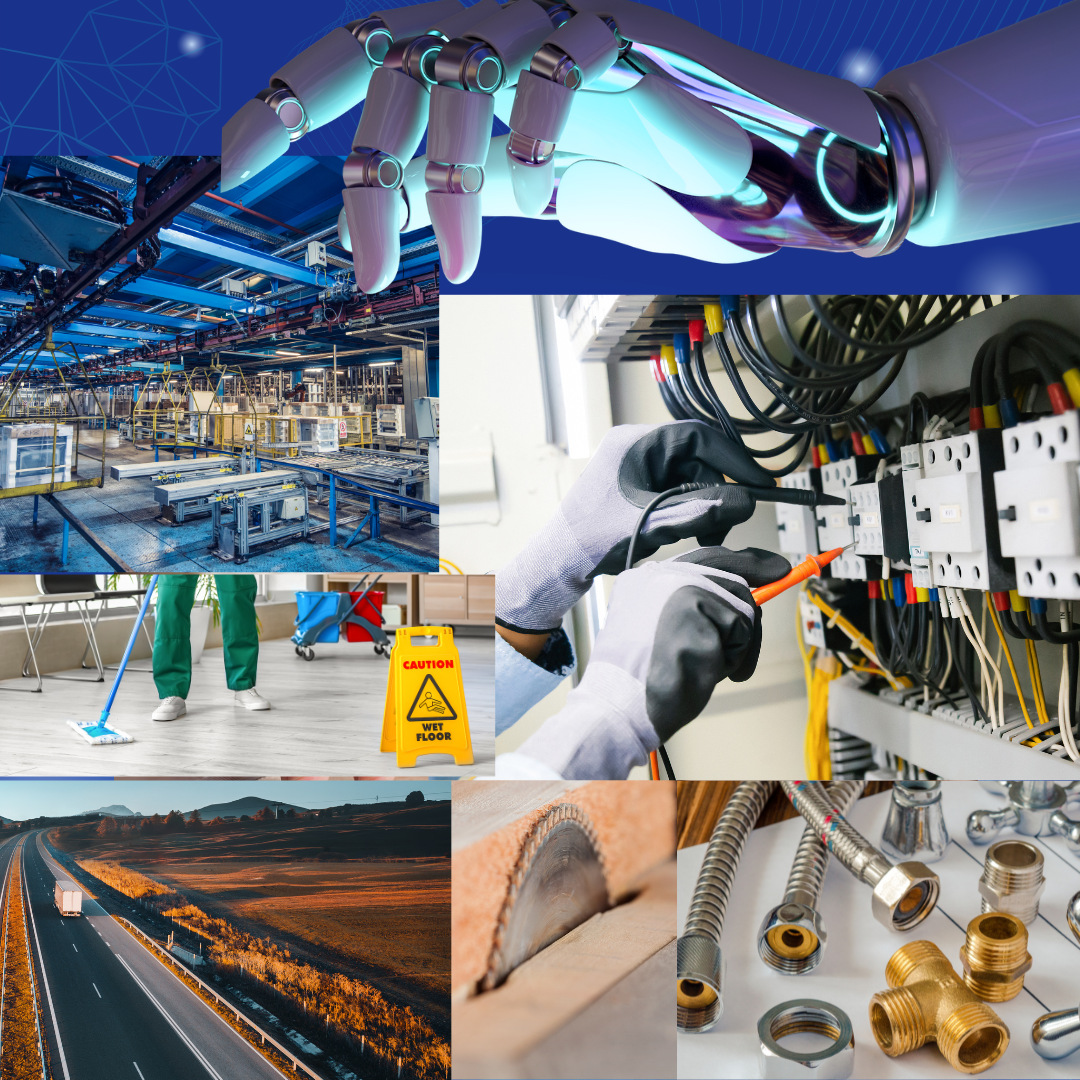
National Media Strategy for Specialists Careers: Manufacturing

Challenge: Struggling to find motivated, growth-minded workers with the skills you need? You’re not alone. Manufacturing leaders nationwide face a talent shortage.

Solution: Dream2Career inspires interest in manufacturing careers with our innovative National Unified Workforce Marketing Strategy.

We’ll reach 1 million students and displaced workers in 2025 and make them aware of emerging careers in manufacturing and the trades.

Introducing Dream2Career:

  • We innovate to raise awareness about apprenticeships, learning providers, events, research, scholarships, and onramp jobs that lead to dream careers.
  • Our gamified, user-friendly communications platform engages students and career seekers, ensuring they’re motivated and interested to learn.
  • We share simplified insights tailored to support your efforts in preparing future employees to exceed your expectations.

Build a workforce pipeline filled with:

  • Motivated individuals eager to learn and grow.
  • Trainable employees prepared to tackle modern challenges.
  • Qualified workers who can hit the ground running.

Gain access to:

  • A pool of students and career seekers specifically interested in manufacturing careers.
  • Dream2Career’s innovative learning media solutions that simplifies, engages, and motivates future employees.

Ready to build your dream workforce?

Let’s discuss how Dream2Career can help! Schedule a call today: https://dream2career.org/book

Don’t miss out on this opportunity to attract top talent and secure your future workforce!

Building a Growth-Minded Workforce: The Power of Shared Learning

In today’s rapidly evolving business landscape, fostering a growth-minded workforce has become more critical than ever. HR managers play a pivotal role in cultivating an environment where employees are not just satisfied but truly engaged and motivated. One effective strategy, used by over 70K businesses, is achieved through shared learning experiences in the workplace.

The Benefits of Shared Learning

Research has shown that individuals who participate in team-building activities tend to be more satisfied with their jobs and exhibit increased motivation. These activities foster camaraderie, improve communication, and enhance problem-solving skills. By implementing shared learning initiatives, HR managers can replicate these benefits within the workplace. HR managers should prioritize upskilling and inspiring workers through shared experiences. By investing in the development of existing talent, businesses can create a more loyal, productive, cost-effective workforce.

Micro-Drip Learning: A Game-Changer

Dream2Career’s Micro-Drip learning offers a unique approach to employee development. This innovative method delivers SME-created content in a gamified, shared-learning format, requiring zero downtime for training. By engaging employees in bite-sized learning experiences, HR managers can inspire teams to exceed expectations and contribute meaningfully to the organization’s success.

Building a Talent Pipeline Through Happy Employee Referrals Yields Extra Benefits

A satisfied and engaged workforce is more likely to refer talented friends and colleagues cutting the costs associated with finding qualified, local talent. By fostering a positive work culture and providing opportunities for growth, HR managers can tap into a valuable source of potential hires. This not only reduces recruitment costs but also strengthens the company’s employer brand.

Conclusion

By embracing shared learning and prioritizing employee development, HR managers can create a thriving workplace where individuals are motivated, engaged, and committed to the organization’s success. Investing in upskilling and shared learning using innovative learning tools like Micro-Drip learning, builds a sustainable competitive advantage and achieves long-term growth and profitability for every business venture.

2024 Nobel Laureate Hinton Urges Global Awareness of AI Risks and Opportunities

Geoffrey Hinton, a pioneer in the field of artificial intelligence and the 2024 Nobel Prize winner in Physics, has issued a pressing call for greater global understanding of the potential risks and benefits of AI. His concerns, expressed during a recent interview with Nobel Prize officials, underscore the urgent need for ethical development and responsible deployment of this powerful technology. These policies require a deeper understanding and additional training before full adoption of this invention.

Widely regarded as the “godfather of AI,” Hinton’s recent departure from Google was a significant statement about his growing concerns regarding the potential negative consequences of AI. His decision to leave Google, allowed him to speak more freely about the dangers of the technology he had helped create.

During the Nobel Prize press conference, Hinton emphasized the importance of recognizing both the potential benefits and risks associated with AI. While he acknowledged the immense potential of AI in areas such as healthcare, he also expressed deep concern about the possibility of the technology becoming uncontrollable. “We have no experience of what it’s like to have things smarter than us,” he stated.

Hinton’s Nobel Prize win, along with his urgent warnings, highlights the critical need for a global conversation about the future of AI. By fostering a deeper understanding of the potential risks and benefits, we can work together to ensure that AI is developed and deployed in a way that benefits humanity and minimizes harm.

If you are considering AI adoption for your organization, talk to the experts and get your employees trained about the threats and opportunities that AI offers. Dream2Career’s Cyber Awareness Training bundle is a terrific way to achieve to get your employees upskilled about cybersecurity without having to disrupt your entire operation for training.

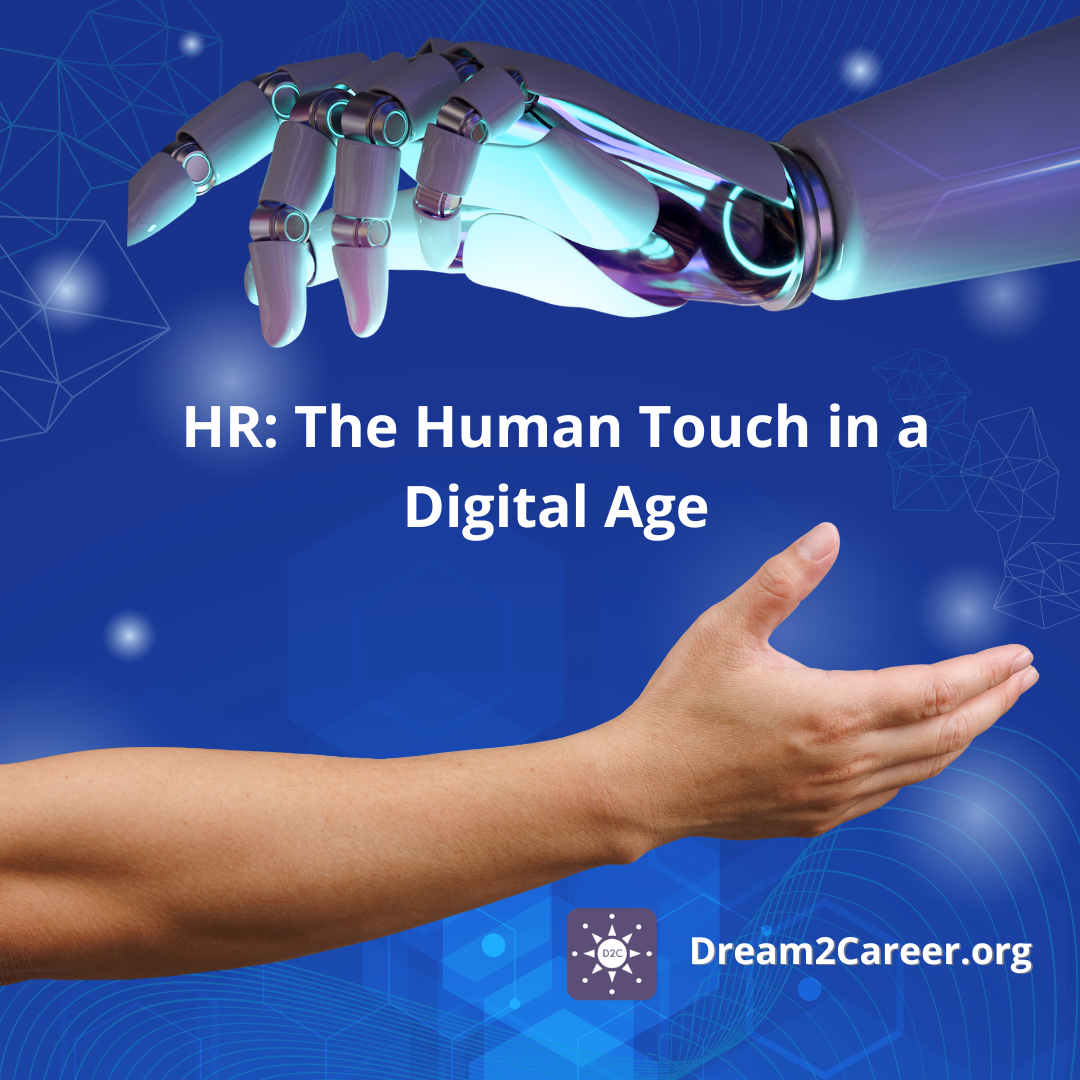
HR: The Human Touch in a Digital Age

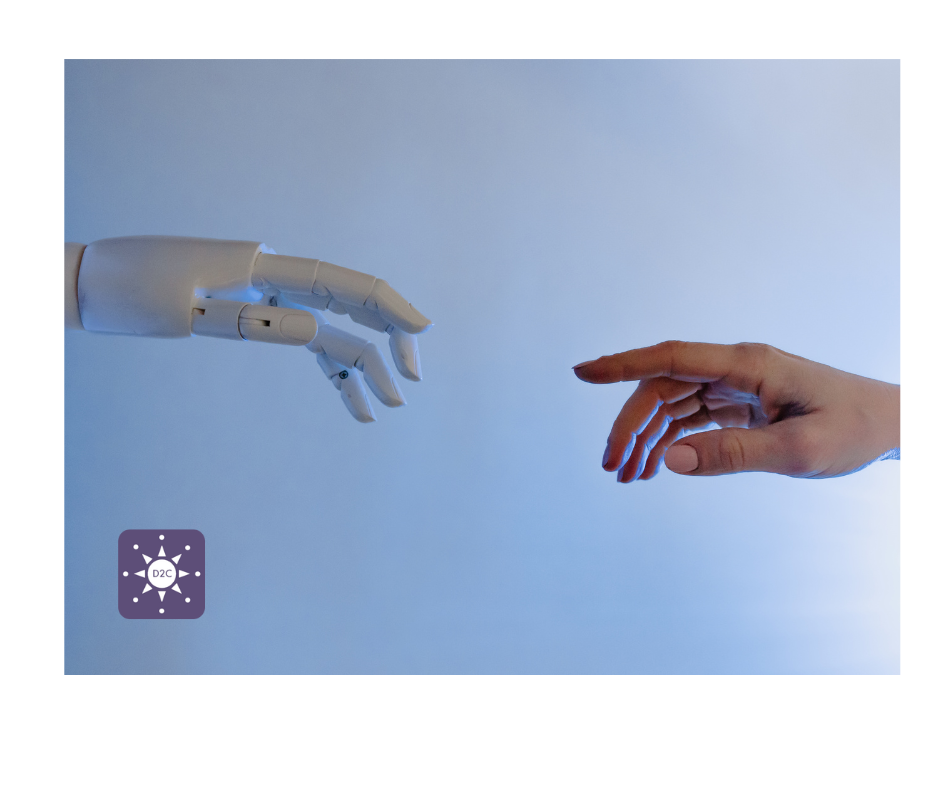
In the relentless pursuit of efficiency and profit, many organizations have sacrificed the human element for the allure of automation. This is particularly evident in the realm of Human Resources (HR). While technology has undoubtedly streamlined processes, it has also created a cold, impersonal barrier between companies and potential employees.

The Importance of Human Connection

HR departments, once the heart of an organization’s connection to its workforce, are now often reduced to automated systems and impersonal online portals. While these tools have their place, they should not replace genuine human interaction. When potential employees are met with automated phone systems and endless online forms, it creates a negative impression of the company.

Imagine if every customer interaction with a business was automated. While it might be efficient, it certainly wouldn’t foster loyalty or brand affinity. The same principle applies to HR. By investing in human interaction, companies can create a positive candidate experience and build a stronger employer brand.

Cybersecurity and Privacy: HR’s New Frontier

The over-reliance on technology has also led to a significant increase in cybersecurity risks. The vast amounts of personal data collected by organizations have become a prime target for hackers. This not only puts the company at risk but also compromises the privacy of individuals. HR departments must play a crucial role in safeguarding this sensitive information.

The excessive collection of data has become a standard practice in many industries. From job applications to medical records, individuals are required to disclose an overwhelming amount of personal information. This not only creates a privacy concern but also diminishes the trust between individuals and organizations.

A Return to Human-Centric Practices

It’s time for organizations to prioritize the human element over convenience. By investing in a human-centric approach,HR departments can create a positive candidate experience, build stronger relationships with employees, and protect sensitive information.

Here are some key steps organizations can take:

  • Prioritize human interaction: Invest in staff to answer HR calls and provide personalized assistance.
  • Limit data collection: Collect only the necessary information and implement robust security measures to protect it.
  • Focus on local talent: Build relationships with local educational institutions and create opportunities for career development within the community.
  • Embrace technology thoughtfully: Use technology to enhance the human experience, not replace it.

By adopting these practices, organizations can create a more human-centered workplace that prioritizes both employees and customers. It’s time to remember that behind every application, resume, and data point is a real person.

What are your thoughts on the role of HR in today’s digital age? Share your experiences in the comments below.

Contact Dream2Career and learn how to improve the human experience by creating a workforce-based learning community using HIF LOGIC.