
Unplugging: A Necessity in Today’s Digital Age

In our increasingly digitized world, where the lines between work and personal life are blurring, it’s becoming increasingly difficult for individuals to truly switch off. The constant pressure to be “always on” has led to a rise in burnout, stress, and mental health issues.

Schools Leading the Way

Recognizing the detrimental effects of constant connectivity on young minds, schools are taking proactive steps to address this issue. In many regions, there’s a growing movement to eliminate mobile devices in the classroom. While this might seem controversial to some, it’s a clear indication that there’s a growing awareness of the need to protect children from the constant distractions and pressures of digital technology.

HR Managers: It’s Time to Follow Suit

HR leaders should take note of these developments and consider implementing similar policies in the workplace. While security concerns are often the primary motivation for restricting mobile device use, there are also significant benefits for employee mental health and productivity.

By encouraging employees to unplug and disconnect from work, HR managers can:

  • Reduce burnout: Constant connectivity can lead to feelings of overwhelm and exhaustion. By creating designated “device-free” zones or times, employees can have a much-needed break from the constant demands of work.
  • Improve focus and productivity: When employees are able to truly switch off, they can return to work with renewed energy and focus.
  • Foster a healthier work-life balance: Setting boundaries between work and personal life is essential for overall well-being. Encouraging employees to unplug can help them achieve a better balance and reduce stress.

Start a “Mental Health Diet Program”

HR leaders who are committed to creating a sustainable, productive, and engaged workforce should consider implementing policies that promote unplugging. By prioritizing employee well-being and fostering a healthy work-life balance, organizations can attract and retain top talent, improve productivity, and create a more positive workplace culture.

Ready to take the next step? Contact Dream2Career for agile HR solutions that help employees bring their authentic selves to work. Our experts can provide guidance on implementing policies that promote unplugging, improve employee well-being, and foster a thriving workplace culture.
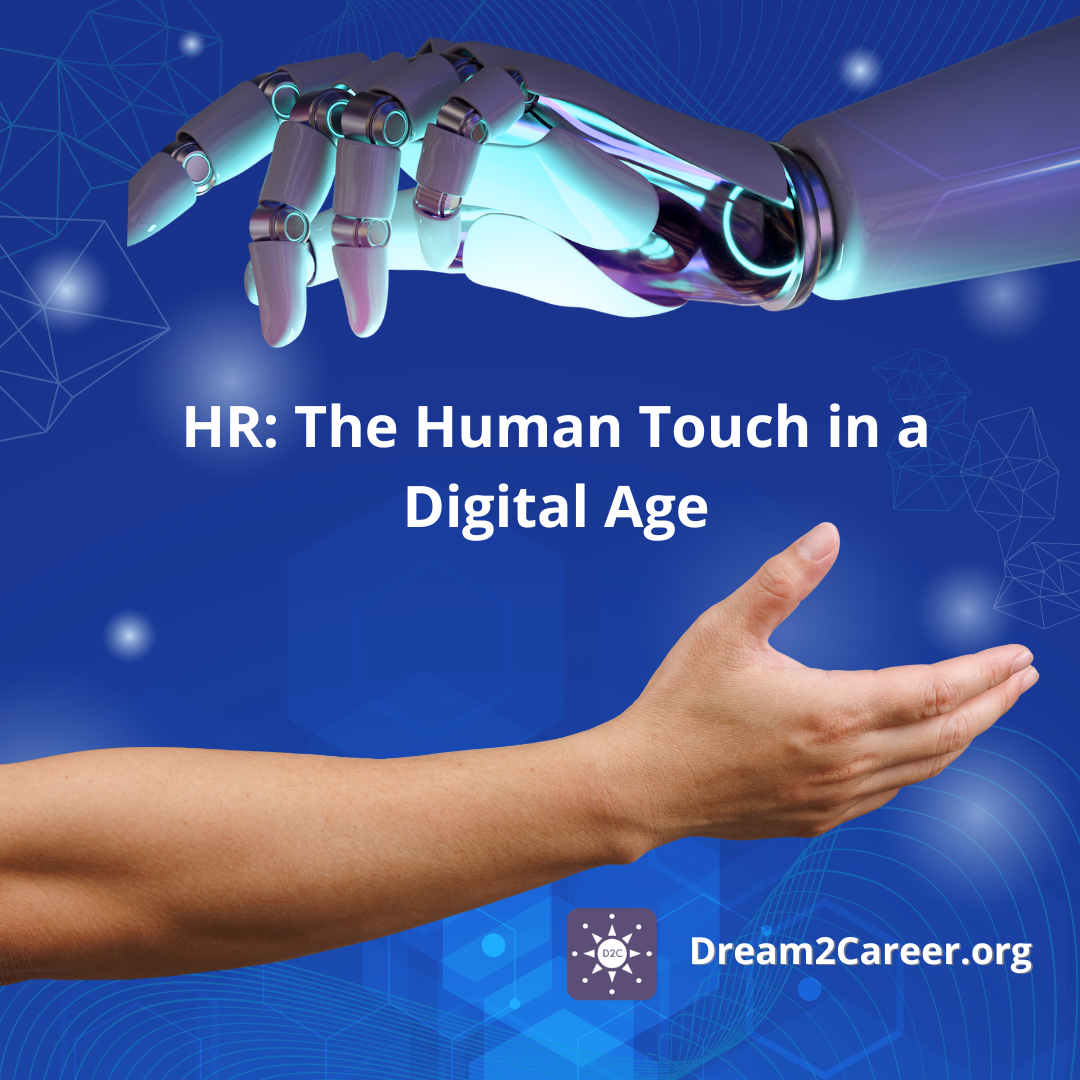
HR: The Human Touch in a Digital Age

In the relentless pursuit of efficiency and profit, many organizations have sacrificed the human element for the allure of automation. This is particularly evident in the realm of Human Resources (HR). While technology has undoubtedly streamlined processes, it has also created a cold, impersonal barrier between companies and potential employees.

The Importance of Human Connection

HR departments, once the heart of an organization’s connection to its workforce, are now often reduced to automated systems and impersonal online portals. While these tools have their place, they should not replace genuine human interaction. When potential employees are met with automated phone systems and endless online forms, it creates a negative impression of the company.

Imagine if every customer interaction with a business was automated. While it might be efficient, it certainly wouldn’t foster loyalty or brand affinity. The same principle applies to HR. By investing in human interaction, companies can create a positive candidate experience and build a stronger employer brand.

Cybersecurity and Privacy: HR’s New Frontier

The over-reliance on technology has also led to a significant increase in cybersecurity risks. The vast amounts of personal data collected by organizations have become a prime target for hackers. This not only puts the company at risk but also compromises the privacy of individuals. HR departments must play a crucial role in safeguarding this sensitive information.

The excessive collection of data has become a standard practice in many industries. From job applications to medical records, individuals are required to disclose an overwhelming amount of personal information. This not only creates a privacy concern but also diminishes the trust between individuals and organizations.

A Return to Human-Centric Practices

It’s time for organizations to prioritize the human element over convenience. By investing in a human-centric approach,HR departments can create a positive candidate experience, build stronger relationships with employees, and protect sensitive information.

Here are some key steps organizations can take:

  • Prioritize human interaction: Invest in staff to answer HR calls and provide personalized assistance.
  • Limit data collection: Collect only the necessary information and implement robust security measures to protect it.
  • Focus on local talent: Build relationships with local educational institutions and create opportunities for career development within the community.
  • Embrace technology thoughtfully: Use technology to enhance the human experience, not replace it.

By adopting these practices, organizations can create a more human-centered workplace that prioritizes both employees and customers. It’s time to remember that behind every application, resume, and data point is a real person.

What are your thoughts on the role of HR in today’s digital age? Share your experiences in the comments below.

Contact Dream2Career and learn how to improve the human experience by creating a workforce-based learning community using HIF LOGIC.