Introducing the National Workforce Communications Consortium Built with HIF LOGIC

Imagine a world where every student and career seeker feels empowered to explore their passions, confident in their abilities, and connected to fulfilling career paths. This vision fuels the launch of the National Workforce Communications Consortium – Callsign: Operation Dream Landing (ODL), a groundbreaking initiative designed to revolutionize how we communicate about work, learning, and opportunity.

HIF LOGIC: A Compass for the Future of Work

At the heart of this consortium lies HIF LOGIC, a dynamic framework that categorizes human potential into six distinct archetypes: Mavens, Specialists, Visionaries, Naturalists, Processors, and Protectors. This intuitive system provides a clear and compelling lens through which students and job seekers can discover their unique strengths, identify their ideal career paths, and navigate the ever-evolving job market.

Dream2Career: Inspiring the Workforce of Tomorrow

Leading this exciting endeavor is Dream2Career, offering a platform that curates and promotes a diverse range of onramp opportunities, including entry-level jobs, apprenticeships, internships, scholarships, and more. By leveraging the power of HIF LOGIC, Dream2Career transforms the job search into an engaging and inspiring journey, much like a thrilling movie trailer or an edutainment experience helping career seekers find passion through synthesizing learning and work.

Introducing National Workforce Communications Consortium – Project Callsign: Operation Dream Landing

On January 20, 2025, Dream2Career will unveil its innovative Digital Learning Media System, a cutting-edge platform built upon the foundation of HIF LOGIC. This system will serve as a central hub for students, career seekers, businesses, and learning providers, facilitating seamless communication and shared career guidance and inspiration.

The Consortium features two key planning calendars that synchronize and create the shared workforce communications strategy. In this way, HIF Logic allows for greater career seeker engagement, better collaboration, and a cost-effective approach to larger, more integrated events that provide industry awareness to larger groups of prospective employees starting them on their pathways to success.

  • Jobs Industry Focus Calendar: This calendar highlights industry sectors aligned with each HIF LOGIC archetype, such as Creative Connectors (Mavens) in Art & Media, Systematic Solvers (Specialists) in Manufacturing, and Critical Thinkers (Visionaries) in STEM.
  • Special Groups Spotlight Calendar: This calendar focuses on specific associations and networks within the workforce, including Museums & Art (Mavens), Unions (Specialists), College Associations (Visionaries), and Government Agencies (Protectors).

Today, Businesses and Learning Providers have the ability to collaborate through Operation Dream Landing and become a key partner in shaping the future of work.

Benefits of ODL Sponsorship:

  • Boost Your Employer Brand: Gain unprecedented access to a hotbed of high-quality, growth-minded talent.
  • Dominate the Conversation: Leverage prime-time advertising opportunities to reach over 100,000 active job seekers.
  • Fuel Your Talent Pipeline: Promote a wide range of opportunities, from internships and apprenticeships to community initiatives.
  • Connect with Tomorrow’s Leaders: Engage directly with ambitious students and highly-motivated career seekers.

We invite all Businesses and Learning Providers to participate in this transformative communications consortium. Join Operation Dream Landing today and take advantage of our special pre-launch rates until January 10, 2025.

Click here to learn more and unlock the potential of your workforce.
Join Operation Dream Landing the National Workforce Communications Consortium
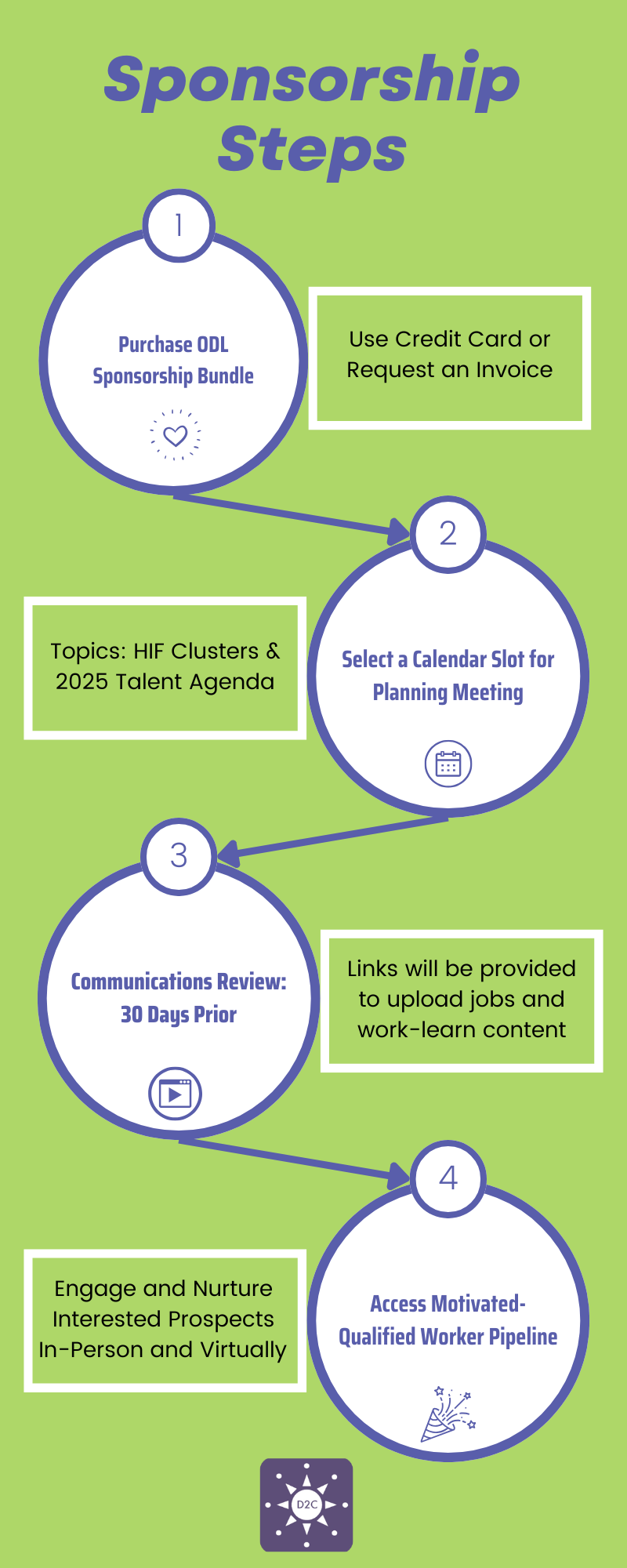
Simple Steps to Engaging and Inspiring Tomorrow’s Talent

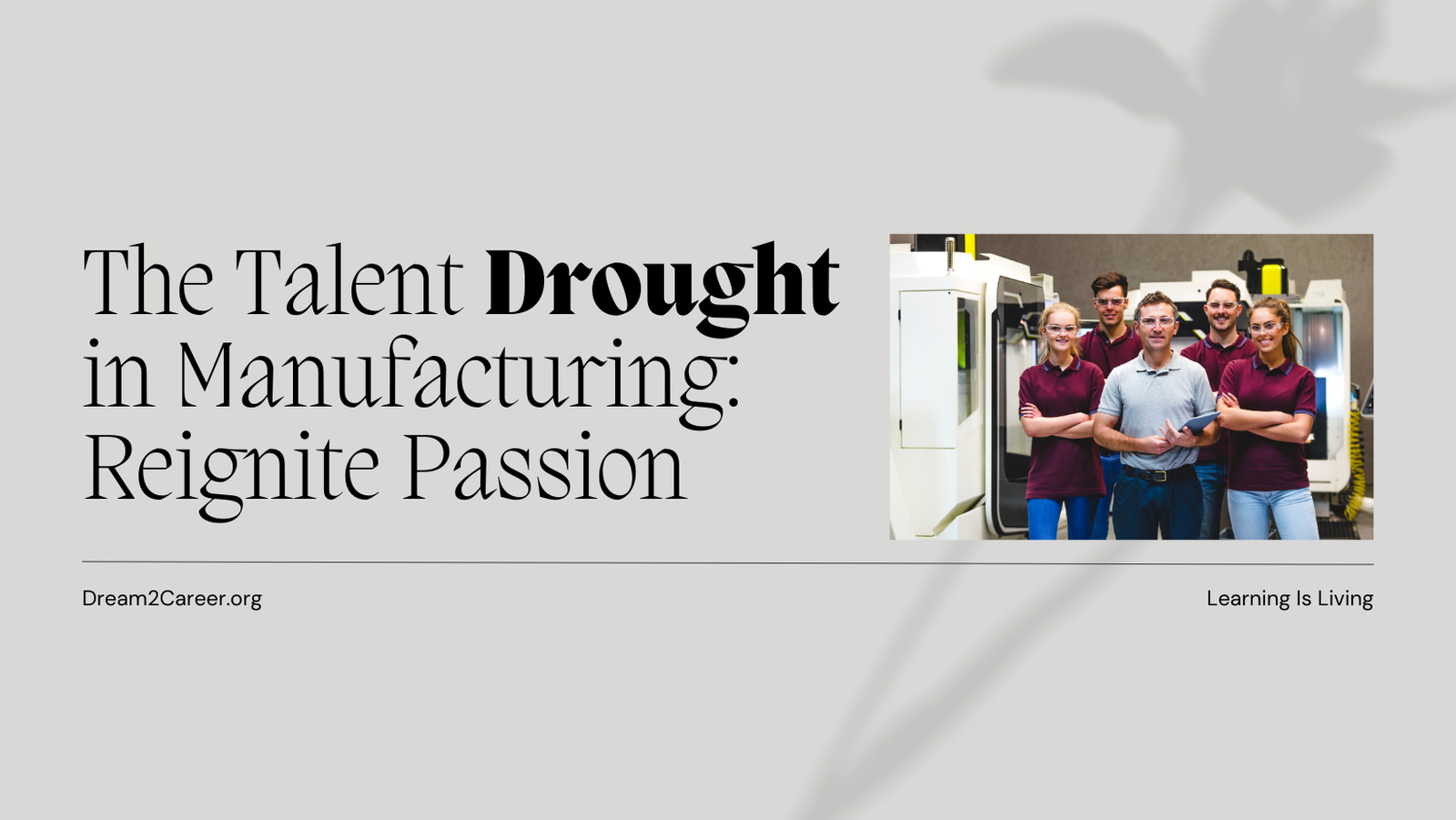
The Talent Drought in Manufacturing: Reignite Passion and Productivity

The manufacturing industry faces a critical challenge: attracting and retaining motivated workers. This isn’t just a hunch. A Gallup poll revealed a staggering $8.8 trillion loss in productivity due to employee disengagement. This lack of passion translates to a workforce stuck in neutral, unable to reach its full potential.  

But why the disengagement? Several factors contribute:

  • Perception Problem: Manufacturing jobs are often seen as dirty, dangerous, and repetitive. This outdated image discourages talented individuals, especially younger generations, from considering these rewarding careers.  
  • The Knowledge Gap: The industry is rapidly evolving with automation and advanced technology. Many workers lack the specific skills needed to perform at a high level.  


  • AI’s Opaque Filter: Applicant Tracking Systems (ATS) rely on keywords and automation, often screening out valuable candidates who might not have the perfect resume. These systems focus on skills listed, completely missing a person’s strengths, potential, or the “human experience” they can bring. 


  • Resumes Tell Only Part of the Story: Resumes, driven by AI, can paint an incomplete picture. They lack the ability to showcase a candidate’s problem-solving skills, creativity, or passion for learning. This impersonal process leaves both employers and candidates frustrated.

Enter Learned Helplessness: This psychological phenomenon describes a state where individuals feel they have no control over their outcomes. Repeated rejection letters and a focus on tests can foster this feeling, causing anxiety and hindering performance. For example, a mechanically inclined individual with a natural talent for fixing machinery may struggle to articulate their abilities on a resume or in a traditional interview setting. 

The Solution: Building Bridges, Not Walls

Instead of relying on automated systems, we need to invest in building bridges between companies and potential talent. Here’s how:

  • Staffing On-Ramps: Develop programs that allow individuals to learn about the industry, build skills, and gain confidence. This could involve internships, apprenticeships, or customized training programs.
  • Focus on Potential: Go beyond resumes and traditional assessments. Consider skills-based assessments or hands-on activities to identify hidden strengths. Prioritize growth mindset and a willingness to learn.
  • Humanize the Hiring Process: Engage in conversations, assess soft skills, and explore a candidate’s passion for learning and creating value.

Dream2Career: Igniting Your Workforce

Dream2Career offers new way forward with its Internship Staffing solution and its National Workforce Communications Framework Using HIF Logic. Our Internship Staffing program offers functional skills training, confidence building, and character development, creating highly motivated and growth-minded individuals ready to contribute to your manufacturing team. This approach fosters a culture of learning and empowers workers, ultimately leading to increased productivity and a thriving work environment. 

For a deeper look at our HIFLogic framework that drives our marketing and recruitment strategy, Visit: https://dream2career.org/keystone-edition-business-horizontal-industry-framework/

Together, let’s bridge the gap and build a future filled with motivated, productive manufacturing talent. Book a meeting today! 

SME Weighs In: Students Need Industry Specific Career Advice

I recently had a conversation with Troy Johnson, a leading voice in the trades industry, about how we might help students learn about high demand and emerging career opportunities that match career aspirations.

Read his brilliant insights:

I think [finding a way to help students find and prepare for careers] would create a much happier workforce as well. Technical education has become “the consolation prize” – to use Mike Rowe’s phrase – for students who can’t get into a four-year liberal arts college. It’s a shame because, as I think you will agree, not every high school senior should go to a traditional four-year college. There are multiple options for them now. Even the young people who finish a four-year liberal art bachelor’s degree accumulate six figures of debt. It’s really no wonder that they are so discontented as a group. And there seems to be no one advocating for reductions or limits on tuitions anywhere. The price of tuition has gone up faster than energy costs, food costs, and even healthcare, yet the emphasis is always on financing the tuition, not looking at ways to make these educational institutions more cost-efficient.

I’d really like to see a renaissance in career guidance and counseling that emphasizes more in-depth matching between students’ abilities AND interests against the real works needs of companies in the U.S. It is such an important point in these young peoples’ lives, they deserve more thoughtful advice and exposure to more potential career trajectories. With a smaller population of young people, I really think there could be a business concept that serves companies looking for bright high schoolers that they will hire for demonstrated work ethic and train them in-house for whatever job level skills the companies need filled.

Like I said, “America doesn’t have the skill problem, it has a recruiting problem.” Maybe what we need is something similar to the NFL draft where companies compete for students with strong skills right out of high school…It’s something to think about.

Some states are finding creative ways to create stature for positions in the trades. Dream2Career uses the term “specialists” to describe these positions because these individuals are the true problem solvers needed in our society. Join the conversation. What are your thoughts about how we might help students succeed?